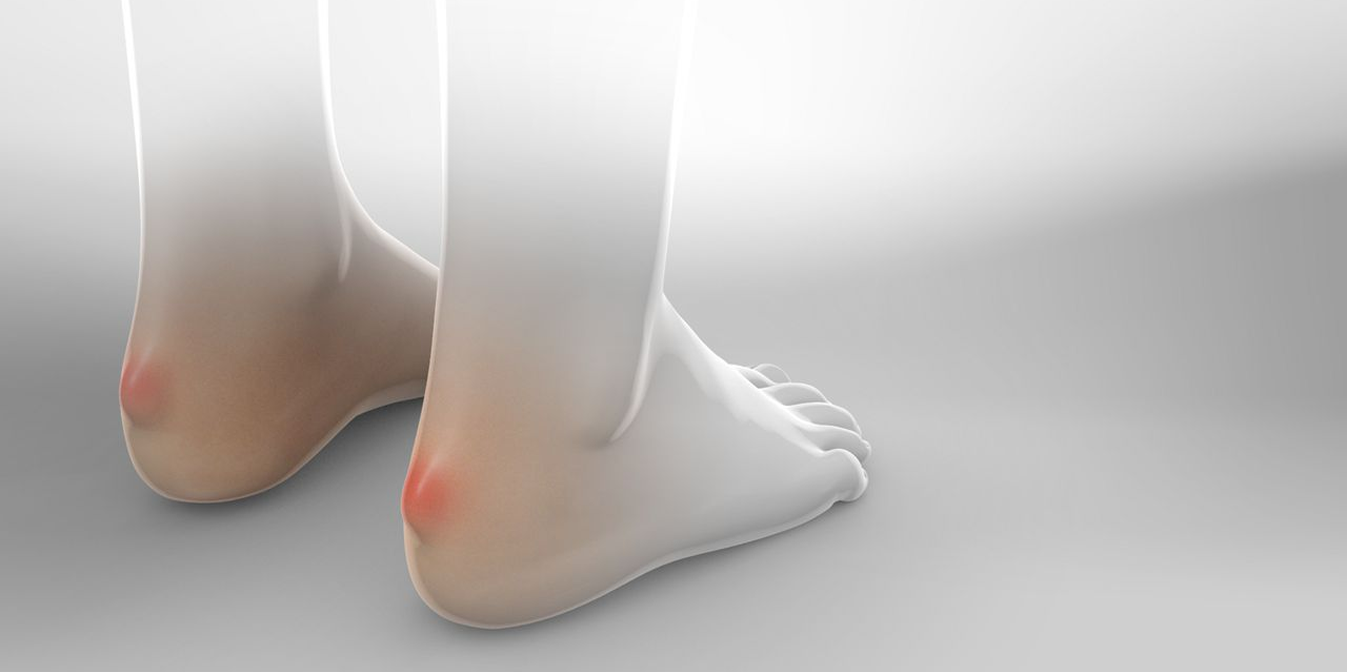

Living with a painful bump on the side of your big toe can turn simple daily tasks into a massive challenge. Walking, exercising, or even finding a comfortable pair of shoes becomes a struggle. If you are dealing with this structural issue, you are likely suffering from a bunion. Thankfully, modern medical technology means you no longer have to undergo highly traumatic operations. Advanced minimally invasive bunion surgery offers a faster, less painful path toward structural realignment and long-term comfort.
For years, traditional foot reconstruction surgery required large incisions, significant tissue disruption, and months of painful recovery. Today, advanced specialized treatments allow patients to walk sooner and heal with minimal scarring. Let us dive deep into how this cutting-edge procedure works, its benefits, and whether you are a prime candidate for surgical correction.
Understanding Bunion Deformities
A bunion is not just a simple callus or a localized skin buildup on your toe. It is a complex progressive bone deformity known medically as a hallux valgus structural misalignment. This issue occurs when your big toe leans inward toward the second toe, forcing the base of your first metatarsal bone to push outward.
Over time, this shift alters the fundamental biomechanics of your foot. If left unmanaged, the uneven distribution of pressure often triggers secondary structural problems, including severe hammer toe development, persistent corn and callus growth, or localized metatarsalgia inflammation across the ball of your foot.
What is Minimally Invasive Bunion Surgery?
Unlike traditional open procedures, this advanced bunion treatment utilizes microscopic entry portals rather than long surgical cuts. A specialized foot specialist uses tiny, specialized instruments guided by real-time digital imaging to precisely realign the bone structure.
During a modern hallux valgus correction, the surgeon makes tiny incisions through which specialized tools gently shave, cut, and realign the displaced metatarsal bone. Because the surrounding tendons and delicate joint capsules are left largely untouched, the overall trauma to the foot is drastically lower compared to older, traditional surgical methods.
Key Benefits of the Minimally Invasive Technique
Choosing a less invasive approach offers several major advantages that significantly improve the overall patient experience:
- Minimal Scarring: The tiny entry points require minimal stitching, leading to beautiful cosmetic outcomes.
- Reduced Post-Operative Pain: Because there is minimal deep soft-tissue damage, patients experience significantly less pain following the procedure.
- Faster Rehabilitation: Less tissue disruption means your body repairs the area much quicker, speeding up your path back to regular movement.
- Lower Risk of Complications: Keeping the internal surgical footprint small reduces the risk of post-op infections or stiffness.
Bunion Surgery Recovery Timeline
One of the biggest concerns patients have before booking a procedure is the downtime involved. While every individual heals at a slightly different pace, the recovery path for a minimally invasive approach is generally much more manageable than old-school traditional operations.
Immediate Post-Op Phase (Weeks 1 to 2*)
Directly after your bunion surgery, you will be placed in a specialized protective post-op boot or surgical shoe. Thanks to modern rigid internal fixation techniques, many patients are safely permitted to bear weight on their heel almost immediately, rather than facing weeks of strict bed rest.
Transition Phase (Weeks 3 to 6*)
During this window, internal tissue healing progresses rapidly. Your doctor will monitor your bone consolidation through follow-up visits. You will focus on gentle swelling management and simple movements to prevent joint stiffness from setting in.
Return to Daily Activities (Weeks 6+*)
By the end of the second month, most patients can transition back into supportive athletic footwear. High-impact sports, intense running, and wearing specialized footwear like high heels can usually be resumed within three to four months, depending on your surgeon's specific guidance.
* The phases are generic timelines and may varies patient to patient.
Who is Eligible for This Procedure?
While this modern technique is incredibly versatile, a comprehensive clinical evaluation is essential to determine if it is the right match for your unique foot structure.
Ideal Candidates
- Individuals suffering from mild-to-moderate hallux valgus deformities that cause persistent pain.
- Patients who have tried conservative management options like wide shoes, custom orthotics, or padding without experiencing lasting relief.
- Active individuals looking for a reliable treatment option that offers minimal disruption to their busy professional or personal schedules.
When Complex Surgery May Be Needed?
For patients dealing with severe, long-term joint degeneration, advanced hypermobility, or a progressive collapsing foot deformity, a comprehensive, traditional flatfoot reconstruction surgery or an extensive foot deformity correction surgery might be necessary to fully stabilize the foundation of the lower limb.
Take the First Step Toward Pain-Free Living
You do not have to let progressive toe deformities dictate your lifestyle or keep you away from the activities you love. If you are tired of living with constant shoe friction, chronic aches, or worsening joint misalignment, exploring advanced surgical correction options can completely transform your quality of life.
Schedule a comprehensive diagnostic consultation with Dr. Harsh Vyas today. Getting an expert, tailored evaluation will help you discover the most effective path toward realigning your foot structure, protecting your joints, and enjoying comfortable, pain-free steps once again.