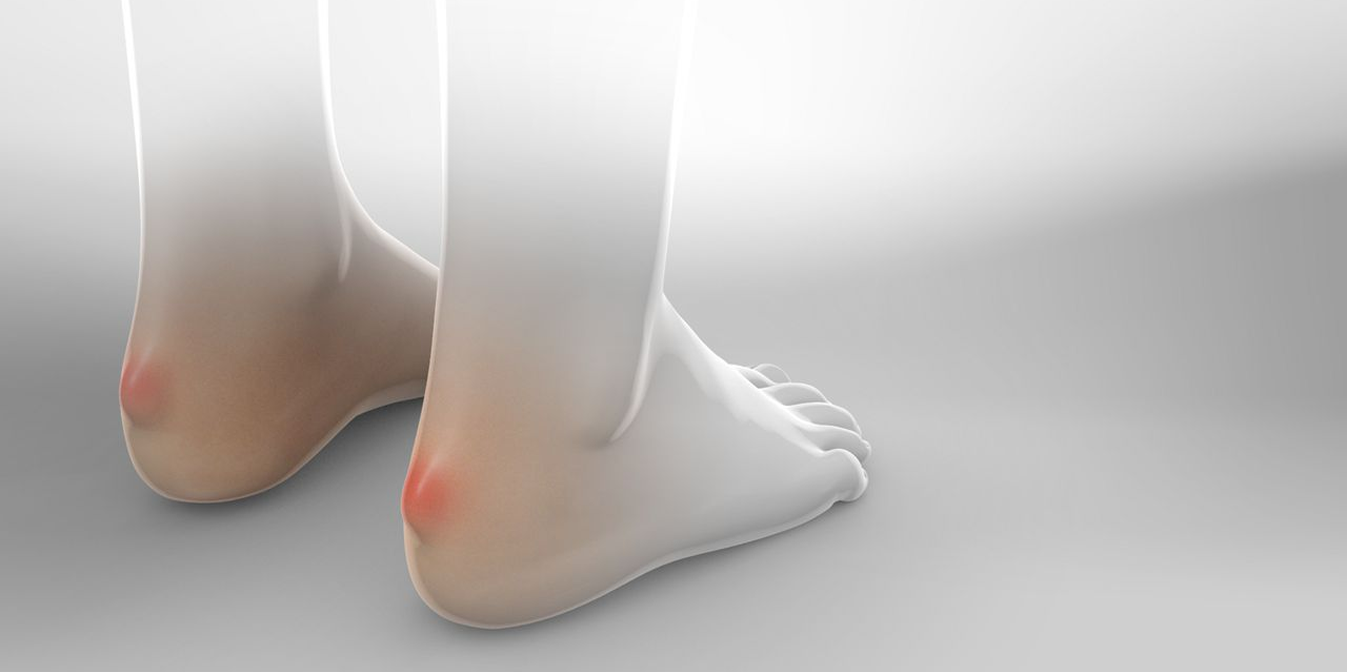

Waking up and feeling a sharp jab in your heel with your very first step? You're not alone. Heel pain is one of the most common reasons people visit a foot and ankle specialist, and the good news is that it almost always responds well to the right heel pain treatment. we break down the ten most common causes of heel pain and the treatment options that actually work.
Why Does Heel Pain Happen?
The heel absorbs a huge amount of force every single day, whether you're walking, running, or simply standing at work. Over time, repetitive stress, poor footwear, weight gain, or an underlying foot structure problem can all trigger pain. Identifying the exact cause is the first step toward effective arch pain treatment and long-term relief.
10 Common Causes of Heel Pain
1. Plantar Fasciitis: This is, by far, the most frequent cause of heel pain. It happens when the plantar fascia, a thick band of tissue connecting your heel to your toes, becomes inflamed. Classic symptoms include stabbing pain with your first steps in the morning. Plantar fasciitis treatment usually starts conservatively with stretching, orthotics, and activity modification.
2. Heel Spurs: A bony growth on the underside of the heel bone often develops alongside plantar fasciitis. Many people are surprised to learn that heel spur treatment rarely requires surgery; targeted physiotherapy and supportive footwear usually do the trick.
3. Achilles Tendinitis: Pain at the back of the heel, especially after running or sudden increases in activity, often points to Achilles tendon inflammation. Early Achilles tendon injury treatment with rest, stretching, and eccentric strengthening exercises prevents the problem from becoming chronic.
4. Bursitis: Small fluid-filled sacs called bursae cushion the heel bone. When they get inflamed from friction or pressure, they cause deep, aching pain that worsens with tight shoes.
5. Stress Fractures: Repetitive impact, especially in runners and athletes, can cause tiny cracks in the heel bone. This type of pain tends to worsen with activity and improve with rest, and is often seen alongside other sports injuries in active individuals.
6. Tarsal Tunnel Syndrome: A compressed nerve near the ankle can radiate burning or tingling pain into the heel and sole, mimicking other foot conditions, which is why an accurate diagnosis matters.
7. Fat Pad Atrophy: As we age, the natural cushioning under the heel thins out, leading to a deep, bruise-like pain, particularly on hard surfaces.
8. Sever's Disease: Common in growing children and teenagers, this condition involves inflammation of the growth plate in the heel, usually linked to sports activity.
9. Arthritis: Inflammatory or degenerative arthritis affecting the heel or ankle joint can cause stiffness and persistent aching pain.
10. Poor Footwear or Obesity: Unsupportive shoes and excess body weight place extra strain on the heel structure, making almost every other cause on this list more likely and more painful.
Best Treatment Options for Heel Pain
The right approach depends entirely on the underlying cause, but here are the most effective options offered today:
- Rest and activity modification: Reducing high-impact activity gives inflamed tissue time to heal.
- Stretching and physiotherapy: Targeted exercises for the calf, Achilles tendon, and plantar fascia relieve tension and improve flexibility.
- Custom orthotics and supportive footwear: Proper arch support redistributes pressure and is a core part of any long-term arch pain treatment plan.
- Night splints: These keep the plantar fascia gently stretched overnight, reducing that painful first step in the morning.
- Anti-inflammatory medication: Short-term use can reduce swelling and discomfort.
- PRP injection for foot pain: Platelet-rich plasma therapy uses your own blood's healing factors to accelerate tissue repair in stubborn cases of plantar fasciitis or tendinitis, offering a minimally invasive alternative before considering surgery.
- Extracorporeal shockwave therapy: A non-surgical option that stimulates healing in chronic plantar fasciitis and heel spurs.
- Surgical intervention: Reserved for cases that don't respond to months of conservative care, surgery can release tight tissue or remove a problematic spur.
When Should You See a Specialist?
Occasional mild heel discomfort often settles with rest, but you shouldn't ignore pain that:
- Persists for more than two to three weeks.
- Gets worse despite rest and home care.
- Is accompanied by swelling, redness, or warmth.
- Limits your ability to walk or bear weight.
- Keeps returning even after treatment.
A timely evaluation prevents a simple issue from turning into a chronic, harder-to-treat condition. A specialist can accurately pinpoint whether you're dealing with plantar fasciitis, a heel spur, an Achilles issue, or something else entirely, and design a treatment plan matched to your specific diagnosis, activity level, and foot structure.
Heel pain can quietly chip away at your daily comfort, but it doesn't have to become a permanent part of your life. From simple stretching routines to advanced options like PRP therapy, there is an effective heel pain treatment for nearly every cause. If your heel pain has been lingering longer than it should, don't wait it out. Book a consultation with Dr. Harsh Vyas to get an accurate diagnosis and a treatment plan built around your feet, your lifestyle, and your recovery goals.