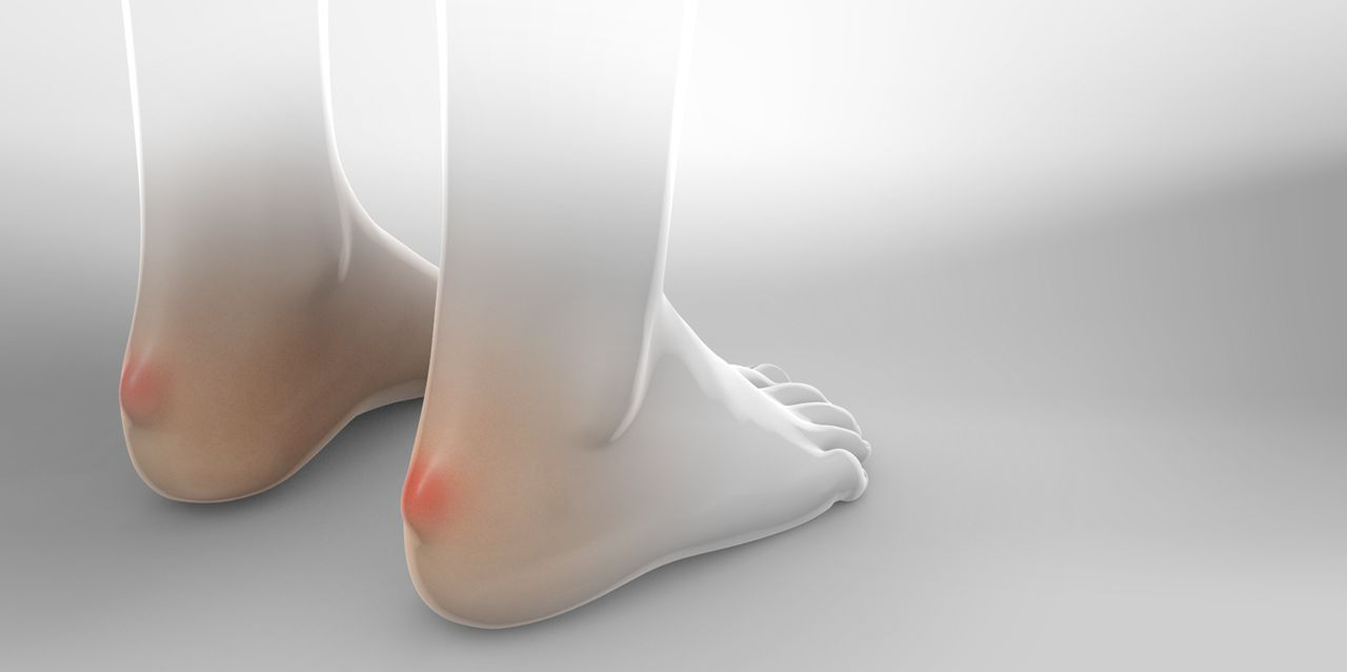

Does the base of your big toe hurt every time you walk, or have you noticed a bony bump slowly growing there? You're not alone. Bunions are one of the most common foot deformities, and if left untreated, the pain can get worse over time. Understanding the early signs, root causes, and treatment options can help you avoid unnecessary suffering and know exactly when it's time to see a Foot & Ankle Specialist .
What Is a Bunion?
A bunion, medically known as hallux valgus, is a bony bump that forms at the joint where your big toe meets your foot. It develops when the big toe gradually shifts inward toward the other toes, forcing the joint at its base to stick outward. Over time, this misalignment gets worse, and the bump becomes larger and more painful.
Early Signs of a Bunion
Catching a bunion early makes treatment far simpler. Watch out for these warning signs:
- A visible bony bump on the outer edge of your big toe
- Swelling, redness, or tenderness around the big toe joint
- Persistent or occasional pain while walking or standing
- Corns or calluses developing where the toes rub together, often needing corn and callus treatment
- Restricted movement of the big toe
- Difficulty finding footwear that doesn't press on the bump
If you notice any of these symptoms, it's best to consult a specialist before the deformity progresses further.
What Causes Bunions?
Bunions don't appear overnight. Several factors contribute to their development:
- Genetics - A family history of bunions makes you more likely to develop one
- Footwear - Tight, narrow, or high-heeled shoes push the toes into an unnatural position
- Foot structure - Flat feet or low arches increase pressure on the big toe joint
- Arthritis - Inflammatory joint conditions can accelerate bunion formation
- Repetitive stress - Activities that put constant pressure on the feet, such as prolonged standing or certain sports
In many cases, an untreated bunion can also lead to a hammer toe, since the misaligned big toe pushes against the second toe. When this happens, patients often need combined hammer toe correction alongside bunion treatment.
Why Does Bunion Pain Get Worse While Walking?
Every time you take a step, your body weight passes through the big toe joint. When a bunion is present, this joint is already misaligned and inflamed, so walking puts direct pressure on the bump, causing sharp or throbbing pain. Over time, the joint may stiffen further, and pain that once appeared only after long walks can start occurring with everyday activities like standing or wearing regular shoes.
Non-Surgical Bunion Treatment Options
Not every bunion requires surgery. In the early to moderate stages, conservative bunion treatment can significantly reduce pain and slow progression:
- Switching to wide, low-heeled, supportive footwear
- Using bunion pads or toe spacers to reduce friction
- Custom orthotics to correct foot alignment and redistribute pressure
- Icing the area after prolonged standing or walking
- Anti-inflammatory medication for pain and swelling
- Physical therapy exercises to maintain toe flexibility
These measures work best when started early, before the deformity becomes rigid.
When Is Bunion Surgery Needed?
If conservative treatment no longer controls the pain, or the bunion continues to worsen, Bunion surgery may be recommended. Surgery is typically considered when:
- Pain persists despite proper footwear and orthotics
- The bump makes it difficult to walk or perform daily activities
- The big toe visibly overlaps or crowds the second toe
- Chronic swelling and stiffness limit movement
- There is significant deformity affecting the alignment of other toes
Modern Hallux valgus correction techniques realign the bone, ligaments, and tendons to restore the natural position of the big toe. Many patients today are also good candidates for minimally invasive bunion surgery, which uses smaller incisions, causes less tissue damage, and allows for a quicker return to normal activity compared to traditional open surgery.
What to Expect After Bunion Surgery
Recovery time varies depending on the surgical technique and severity of the deformity, but most patients can expect:
- Reduced weight-bearing for the first few weeks in a protective boot or shoe
- Gradual return to normal footwear over several weeks to months
- Physical therapy to restore strength and flexibility
- Significant pain relief and improved foot alignment once healed
Choosing an experienced foot and ankle surgeon greatly influences how smoothly recovery goes and how well the correction holds up long-term.
Don't Ignore Bunion Pain
A bunion rarely improves on its own; it tends to progress gradually if the underlying cause isn't addressed. Ignoring the early signs can lead to chronic pain, difficulty walking, and secondary problems like hammer toes or calluses. If you're experiencing bunion pain while walking, the sooner you get it evaluated, the more treatment options you'll have available, often without needing surgery at all.
Bunion pain while walking is your foot's way of telling you something is wrong with the alignment of your big toe joint. From simple footwear changes to advanced minimally invasive bunion surgery, there's a treatment option for every stage of the condition.
If you're dealing with a painful, worsening bunion, schedule a consultation with Dr. Harsh Vyas at Apex Foot & Ankle Center, Ahmedabad, to find the right treatment path for you.